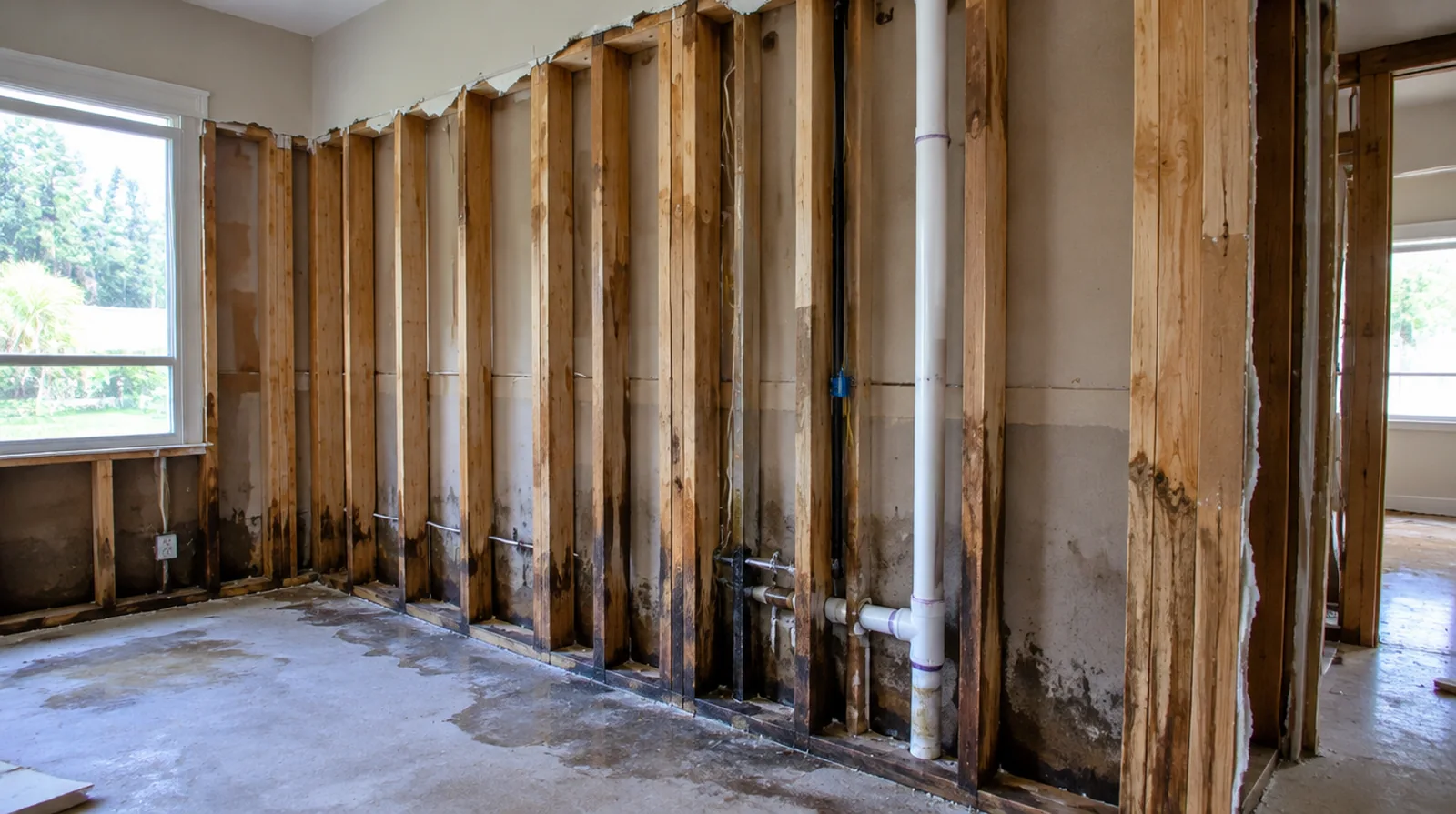
Resolve the water source
A leak or condensation problem must be addressed before replacing the affected drywall. A cosmetic cover will not stop water from entering the same assembly again. If the decorative coating is already chosen, share its sheen and color early because those choices influence how preparation of the surface is judged.
Keep contamination separate
Suspected microbial contamination or exposure to flood water is outside a routine cosmetic patch assessment. Obtain suitable remediation advice about safe containment and removal before arranging ordinary drywall restoration. If a distinct painter completes decoration, agree the condition of the handed over surface and assign responsibility for small final corrections.
Agree on decorative boundaries
Restoring the gypsum and achieving a consistent painted room finish are not automatically the same scope. A ceiling or wall repaint could have to extend beyond the removed section to look consistent. When reviewing the finished work, use the agreed lighting and natural room viewpoints so the assessment reflects the intended use of the space.
Finish after moisture control
Apply joint treatment to sound, sufficiently dry materials after the moisture issue has been addressed. Allow adequate time for each coat instead of sealing moisture beneath the next stage. If scheduling is the main concern, separate hands on labor from drying intervals instead of treating every visit as a full day of active work.
Rebuild supported edges
New panel pieces need secure fastening to sound framing or appropriate backing. Stable edges reduce avoidable stress at the boundary between the retained face and the replacement. Where a future fixture will be installed, coordinate any required backing while the cavity is accessible rather than reopening the completed wall.
Verify drying readiness
A surface that feels dry can still conceal moisture in insulation or framing. The project should identify who verifies the cavity is ready before replacement panels close it again. Where existing floors will remain, specify protective measures and review the path used by panels, equipment and finishing tools.
Inspect concealed components
Insulation, electrical work and plumbing exposed during removal may require separate assessment or replacement. Resolve the condition of exposed insulation, wiring and plumbing before closing the wall. Before comparing two proposals, check that both include the same protection, finishing and cleanup boundaries instead of comparing totals alone.
Define selective removal
Removing a controlled section provides access for assessment while preserving material that remains sound. The cut boundary also needs to accommodate backing and a practical finished transition. Where a surface has been painted many times, consider whether differences in texture or sheen will require a wider decorative treatment.
Treat remaining discoloration
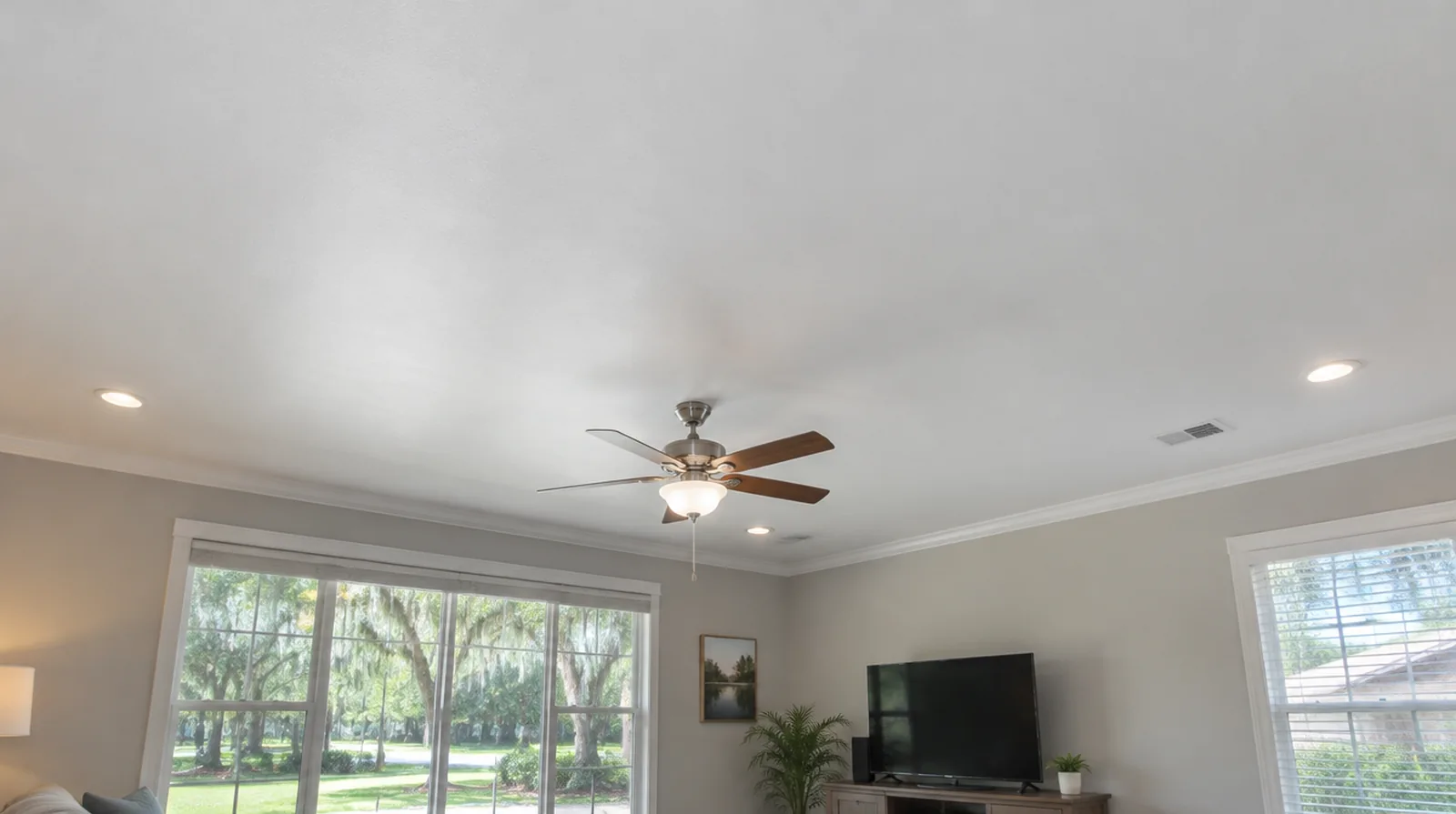
An old dry mark may bleed through new decoration unless an appropriate primer is selected. Choose that treatment only after confirming the discoloration does not signal continuing moisture. If there is a fixed move in date, reserve adequate time for the coating stages after drywall work instead of counting only the installation period.
Record the completed scope
Keep notes on the source correction, removed materials and any drying verification supplied by other professionals. This record helps explain what the drywall repair covered and what maintenance remains the property owner responsibility. When the same defect has returned, share information about previous repair methods so the next assessment can consider why they did not last.
Project context in Gainesville
The painting plan can then be based on a stable repaired surface rather than another temporary cover. Ask the finisher how the actual work environment will be managed between coats.
Scope questions before finishing
When reviewing the finished work, use the agreed lighting and natural room viewpoints so the assessment reflects the intended use of the space.
When photographs are used for an initial discussion, include a wide room view as well as a close view so scale and surrounding finishes are understandable.
For a room with restricted airflow, plan drying conditions alongside dust protection and the comfort of people occupying neighboring spaces.
In a room with little free floor space, identify temporary storage for belongings and establish enough clearance for the work before delivery.
If a household member is sensitive to dust, discuss containment and cleaning expectations before choosing how to stage the interior work.
For an older repair with no clear history, describe when the mark first appeared and whether it has changed through more than one season.
For a room that stays in use, set a workable boundary around construction while retaining the access people need for normal daily activities.
If there is a fixed move in date, reserve sufficient time for the coating stages after drywall work rather than counting only the installation period.
For a project with several trades, agree which inspection or handover point must happen before the next person starts work.
If the problem developed after another renovation, explain which nearby materials or building systems changed before the damage became noticeable.
For a surface carrying numerous paint layers, discuss whether differences in the retained profile or sheen justify decorating a broader area.
If the surface condition is uncertain, allow for an assessment that can distinguish stable material from layers that should not be covered.
Explore the Gainesville drywall overview for related options, or read the project planning information before arranging the next stage.
More planning details for Gainesville
A Gainesville room improvement can be easier to stage when airflow, protection and household use are discussed together. Finishing material needs suitable drying conditions, but that does not mean opening the room indiscriminately during humid weather. If a frequently used room must stay partly available, define a sensible separation and move fragile belongings before setup.